

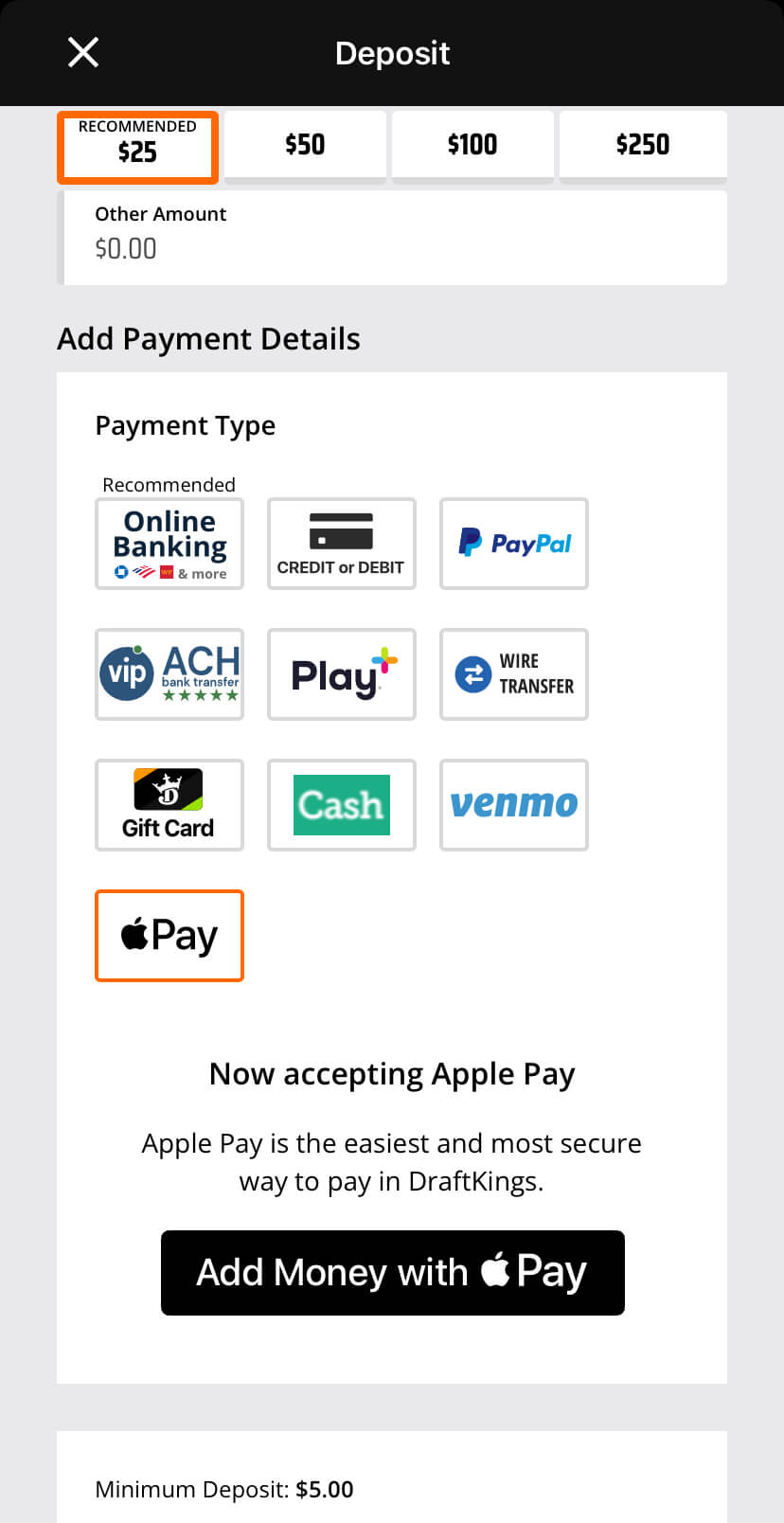
The Rise of Apple Pay in the Betting Industry: Why Gamblers Are Choosing Not to Bet
In recent years, digital wallets have revolutionized various sectors, and the betting industry is no exception. Apple Pay, with its seamless integration into the Apple ecosystem, has emerged as a popular payment method for online gamblers. However, contrary to its growing popularity in other areas, many bettors are choosing not to use Apple Pay as their preferred payment method. In this article, we’ll explore the reasons behind this trend, the advantages and disadvantages of Apple Pay for betting, and what alternatives players are considering.
In fact, many players are opting for Apple Pay betting not on GamStop Apple Pay casinos not on GamStop to enhance their betting experience.
The convenience and security of Apple Pay have attracted many users. With the ability to make quick transactions using just a touch or a glance, betting becomes even easier for enthusiasts who are already accustomed to the fluidity of mobile payments. However, this ease can lead to hasty decisions, particularly in betting scenarios where thought and strategy are paramount. The issue is compounded by the digital gambling environment, where the potential for loss can be high.
One of the primary reasons players are hesitant to link their Apple Pay accounts to betting sites is privacy concerns. Apple Pay offers a high level of security and anonymity for users in other sectors, but many gamblers feel that using a digital wallet like Apple Pay could link their gambling activities directly back to them. This fear prompts players to seek out alternatives that allow for greater anonymity, especially in regions where gambling may still be stigmatized or regulated tightly.
Additionally, players are wary of the potential risks that can come with using Apple Pay for betting. Transactions made through Apple Pay are often irreversible, meaning that players might find it challenging to dispute unauthorized bets or transactions. But then again, the betting world has always had its share of challenges when it comes to payment methods. This aspect makes bettors cautious, leading them to favor traditional methods such as bank transfers or e-wallets that they believe offer them greater control over their funds.
Another consideration is the range of betting platforms that accept Apple Pay. While the number is growing, it still pales in comparison to more established payment methods like credit or debit cards, or e-wallets like PayPal and Skrill. Many online bettors prefer to stick to sites that offer a myriad of payment options to ensure flexibility. In turn, this has led to a perception of Apple Pay as a niche option rather than a primary choice for funding their betting accounts.
The situation is further complicated by international regulations and standards. For players operating in jurisdictions with stringent gambling laws, using Apple Pay may lead to complications. Some countries have no licensing agreements in place with Apple Pay, leading to restricted access for users in those areas. As a result, gamblers may select regions where gambling regulations are more favorable while opting for traditional methods they trust and know.
User experience is another factor affecting the adoption of Apple Pay in the betting world. While its functionality is designed to be user-friendly, the interface can be unfamiliar for some gamblers. Bettors who are not tech-savvy may find using a system like Apple Pay daunting or believe that there is a learning curve involved that they simply do not have the time or patience to overcome. As a result, they may revert to methods that they have always used and are comfortable with.
Moreover, there are questions around the ethical implications of digital wallets in gambling. Some experts argue that by making it easier to spend money quickly, gambling platforms that use Apple Pay risk encouraging compulsive gambling behavior. This concern does not appear to be lost on many players, who prefer to use payment methods that allow them to be more deliberate and strategic about their gambling expenses.
Marketing initiatives aimed at encouraging Apple Pay usage among betting sites may also stumble. Amidst the ethical debates surrounding gambling, promotional incentives that simply push more players towards Apple Pay may backfire. As players become more informed about responsible gambling, they are likely to scrutinize the payment methods promoted by betting sites that they consider. If players perceive that Apple Pay is being employed irresponsibly by some casinos, this may further dissuade them from utilizing it.
In conclusion, while Apple Pay serves as a revolutionary payment option in many industries, the betting world exhibits a complex relationship with it. Concerns around privacy, irreversibility of transactions, limited hosting options, and ethical implications ultimately result in many players choosing not to utilize Apple Pay for their betting activities. As the gambling industry continues to evolve, it remains to be seen how payment technologies like Apple Pay will adapt to reconcile the concerns of its users with the desire for smoother betting experiences. In the meantime, players will likely continue to explore alternatives that allow them the comfort, control, and security they seek in their betting endeavors.