

The State of UK Horse Racing: What Happens When It’s Not On?
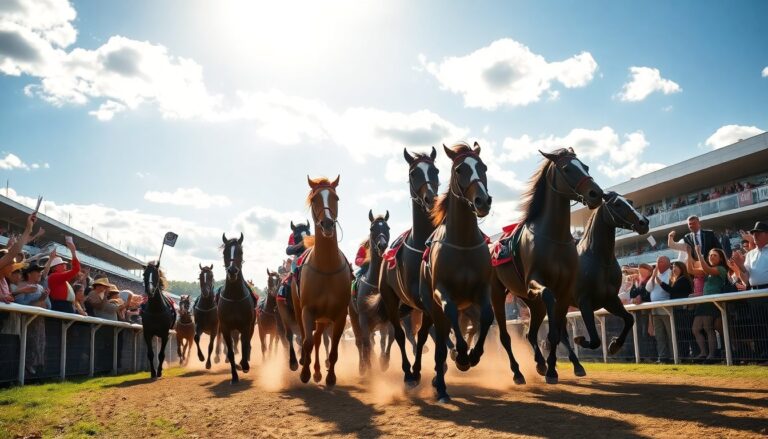
The thrill of the track, the roar of the crowd, and the flash of hooves racing down the stretch define the world of UK horse racing. However, there are periods when this exhilarating sport comes to a halt, whether due to seasonal breaks, unforeseen circumstances, or regulatory considerations. UK Horse Racing Not on GamStop horse racing sites provide a wealth of information and entertainment, but what happens to the sport and its fans when the races are not on?
Understanding the Impact of Racing Intermissions
Horse racing is not just a beloved pastime in the UK; it is a vital part of the cultural fabric and economic landscape. The cessation of racing has numerous ramifications for stakeholders across the board—from trainers and owners to spectators and betting outlets.
Economic Implications
The economic impact of horse racing is far-reaching. The sport contributes billions to the UK economy annually, generating income through bets, tourism, and employment. With race days offering opportunities for local businesses, stalls, and betting companies, any interruption can lead to financial strain. Seasonal breaks might be anticipated, but unexpected pauses can lead to significant loss.
Effects on Trainers and Owners
Trainers and owners invest significant resources into their horses, and the absence of racing can disrupt plans for training, breeding, and competition. Horses thrive on a schedule, and downtime can lead to a decline in form. Consequently, trainers must meticulously adjust their training regimes to prepare for the next competitive season.
The Betting Perspective
For many fans, betting is an integral part of the horse racing experience. Bookmakers anticipate action but can struggle when races are not on. Betting exchanges and online platforms experience a decline in activity, which can disrupt the equilibrium of gambling markets.
Alternatives for Betting Enthusiasts
With horse racing on pause, bettors often seek alternatives. This could involve turning to different sports, virtual racing, and more speculative betting options. However, many purists argue that nothing can replicate the real-time excitement of actual races.
The Community Aspect of Horse Racing
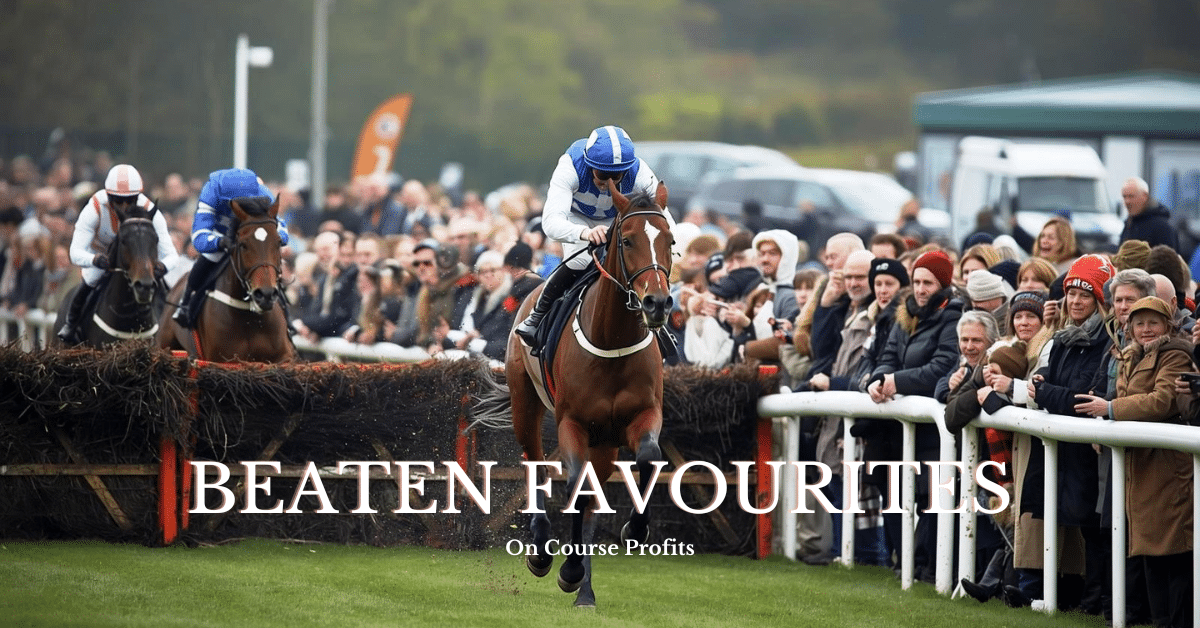
Beyond the economics and betting, horse racing fosters a vibrant community. Race days bring together fans, families, and friends. The social aspect of attending live races creates lasting memories. Without these events, many miss the camaraderie and the electric atmosphere.
Engaging with the Community During Breaks
Despite the absence of live racing, enthusiasts can remain connected through various channels. Online forums, social media groups, and newsletters can fill the void by keeping fans informed about upcoming events, training tips, and horse health.
Training and Preparing for the Future
During downtime, the focus for trainers shifts towards the well-being and preparation of their equine athletes. Many trainers take this opportunity to evaluate their horse’s performances, working on fitness regimes to ensure they are ready for the next racing season. This time is also used for the professional development of jockeys and staff, ensuring they continue to hone their skills.
Revisiting Racing Regulations
Racing authorities may use terms of stoppage to assess and re-evaluate protocols and regulations. This could include safety measures, equipment usage, or enhancements in horse welfare standards. Stakeholders often welcome such reviews as they signify a commitment to improving the sport.
Looking Ahead
The unpredictable nature of horse racing means that stakeholders need to stay adaptable. The good news is that racing is resilient. The excitement and joy it brings to countless fans ensures that whenever racing resumes, there is a sense of renewed energy and enthusiasm. The anticipation makes the return of horse racing all the more thrilling.
Conclusion
UK horse racing is more than just a sport; it is a complex ecosystem that requires balance and sustainability. While breaks may generate challenges, they also present opportunities for resetting and reconnecting. As fans, trainers, and owners await the return of action to the tracks, the essence of horse racing remains deeply ingrained in its community and culture.