


The maths behind pokies is less like a slot machine and more like a well-rehearsed rhythm section. You do not swing at every bar; you listen for the pocket, then commit. Understanding the house edge in pokies means reading the paytable, the return-to-player range, and the volatility before you press spin, so your bankroll breathes instead of running out of air. I spent fifteen years modelling game maths and production schedules, and the same discipline that keeps a jazz combo tight also keeps a player’s session honest. If you want to test a machine’s feel without committing cash, a big bass splash demo lets you watch the hit frequency and bonus triggers in a risk-free window.
How The Maths Actually Works
House edge is the built-in mathematical advantage that ensures a game returns less than it takes over a very large sample. In pokies, that edge is expressed through the return-to-player percentage, which is theoretical and long-run, not a promise for any single session. A machine set to 96 percent RTP keeps roughly four percent on average across millions of spins, but short sessions can swing wildly because variance does not care about your timetable. My honours-level jazz training taught me to hear the difference between a steady pulse and a rushing tempo; pokies maths is the same. A high-volatility game concentrates payouts into rarer bursts, which makes the edge feel heavier during dry stretches, while low-volatility titles spread smaller wins more evenly and smooth the curve. The decision is not about chasing a machine that feels generous; it is about matching the volatility and RTP to the size of your bankroll and the length of time you want to play. When you understand that the edge is baked into the reel strips and bonus weighting, you stop treating a cold run as a personal slight and start treating it as expected statistical noise.
Choosing What Fits Your Session
Before you deposit, decide what kind of session you actually want, because the right machine for a twenty-minute arvo break is not the right machine for a planned evening stretch. Ask yourself three questions: how much variance can I tolerate, what RTP band am I comfortable with, and how will I stop when the session plan says so. A practical approach is to treat your stake and spin pace as the tempo, and the bonus frequency as the solo that should fit inside that tempo rather than derail it. If you prefer steadier action, look for lower volatility and a return-to-player figure in the upper range, then size your bets so a losing streak does not force a rushed decision. If you enjoy the possibility of larger bonus rounds and can absorb longer dry spells, higher volatility can suit a smaller, disciplined bankroll, provided you accept that the house edge in pokies still applies over time. I have seen product teams argue over bonus weighting for months, and the same judgement call applies at the machine: a feature that pays less often but larger is not better or worse, it is simply a different risk profile. The right choice is the one that matches your patience, your stake size, and your exit plan.
Payments, Verification And Practical Fit
A sensible session starts long before the first spin, because the practical setup determines whether your plan survives contact with reality. Registration should be straightforward, mobile play should keep the same paytable and settings as the desktop version, and support should be reachable when a transaction stalls rather than buried behind a maze of forms. Currency display matters more than people expect, since betting in Australian dollars while the cashier quietly converts behind the scenes can make stake sizing feel off by the time you read the receipt. Verification is not a hurdle to resent; it is the process that keeps withdrawals from stalling after you have already decided to cash out. Treat your deposit limit, your loss limit, and your time limit as the arrangement you set before the band starts, not as rules you invent mid-song. Loyalty perks and bonus mechanics can add texture, but they do not repeal the maths, so read the terms on wagering and game weighting before you treat any offer as part of your plan. When the cashier flow, the currency display, and the verification steps all behave the way you expected, the session stays about the game instead of turning into a paperwork detour.
Glossary
- Return-to-player (RTP): the theoretical percentage a game pays back over a very large number of spins.
- Volatility: how concentrated or spread out a game’s payouts tend to be.
- House edge: the built-in mathematical advantage retained by the operator over time.
- Variance: the short-term swing above or below the theoretical average. big bass splash demo
Two mates, one flat white, and a straight question
“Do you reckon a higher return-to-player figure actually changes a short session?”
“It changes the expectation, not the night. The edge is still there; the swing just sits a little higher on average.”
“So the bonus rounds are the same trick?”
“Not a trick, just weighting. A feature that lands less often but pays more is a different volatility, not a secret exit.”
“Right. So the call is really about how much dry air I can breathe through.”
“Exactly. Match the tempo to your bankroll, then stop when the plan says stop.”
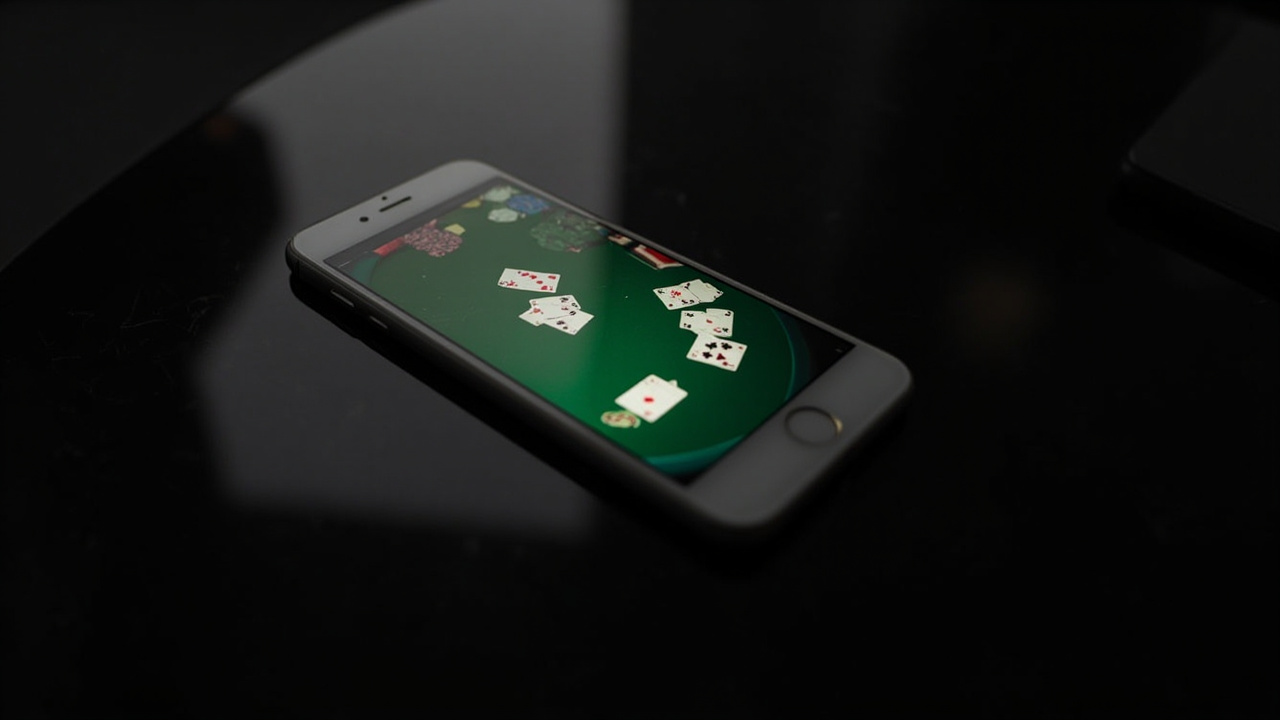
That is the whole decision in one breath. Read the paytable, respect the volatility, set your limits before the first spin, and treat the house edge in pokies as a fact to plan around rather than a puzzle to solve. When the maths, the cashier flow, and your own exit rules line up, the session stays a choice instead of a scramble. Bet Online Gambling With A Relaxed