

I’ve spent enough time around casino with live reload bonus operations to know the operator side isn’t about flashy promises. It’s about how a product holds together when the interface is busy, the reload mechanic lands cleanly, and the player actually understands what they’re signing up for. From Independent Gaming Pty Ltd’s perspective, that means commercial oversight that treats every reload as a structured event, not a marketing gimmick, and supplier strategy that keeps the maths and the presentation honest.
When I look at a casino with live reload bonus through an operations lens, I’m asking whether the reload actually helps a regular player extend a session on their own terms, or whether it just adds noise to the navigation. A well-built reload should be easy to find, easy to understand, and easy to use without a dozen extra clicks. If the tablet on the bar at a Cairns pub is hard to read in the afternoon glare, the player walks away; if the reload terms are buried or the wording is vague, the same thing happens online.
Interface And Everyday Usability

A casino with live reload bonus only earns its keep if the player can move through it without fighting the layout. The visual identity should be clear on mobile, the navigation should make sense without instructions, and the language and currency need to match the audience rather than feel like a generic template. I’ve seen products that look polished until you try to find the reload terms, then suddenly feel like a delayed Sydney train where every announcement is late and nobody knows which carriage you’re meant to be in.
Localisation matters more than most operators admit. Currency, language, and support need to feel local enough that a player in Cairns isn’t reading terms that were clearly written for somewhere else. Search should surface the reload offer without making the player dig through menus, and the structure should put practical information where it can be found quickly. A packed Melbourne tram can carry a lot of people smoothly when the doors line up and the route is clear; a cluttered interface does the opposite, and players notice that quickly.
The reload itself should sit inside the product as a usable feature, not a banner that disappears the moment you scroll. I expect the registration flow to be straightforward, the mobile experience to hold its shape on smaller screens, and support to answer practical questions without making the player jump through hoops. That’s the commercial reality: if a reload is hard to reach, it doesn’t matter how generous the headline looks.
Bonus Mechanics, Limits, And The Psychology Around Reloads
A reload bonus is only useful when the mechanics are readable. The wagering, the game weighting, the max bet limits, and the expiry all need to make sense before a player commits, because a bonus that sounds good on the landing page can turn into a messy experience once the terms are real. I’d rather see a clean, modest reload with clear conditions than a large offer that leaves the player guessing.
The drawing rules in baccarat are a good reminder that precise structure matters. The tableau of drawing rules dictates when a third card is dealt in baccarat, and that kind of clarity is what keeps a table predictable for the player. A reload bonus should be built the same way: the conditions should be explicit, the eligible games should be obvious, and the limits should not hide in fine print.
There’s also a behavioural layer operators can’t ignore. Casinos engineer positive peaks to shape players’ overall recollection, which is exactly why a reload has to be presented honestly rather than as a series of peaks designed to flatter the product. Thomas Harris, Strategy Director, Yarra Gaming Lab, puts it plainly: “A reload only works commercially when the player can see the value without having to decode it.” Amelia Clarke, Compliance Director, Southern Reef Gaming, adds a necessary caution: “Clear terms protect the player and the operator, because vague reload conditions create disputes that nobody wants.”
Pontoon is another useful comparison here. Pontoon is an Australian and British blackjack cousin with its own terms, and anyone who has played it knows that different rules change the feel of the same basic game. Reloads are similar: the same word can mean different things depending on the operator, so the specifics matter more than the headline.
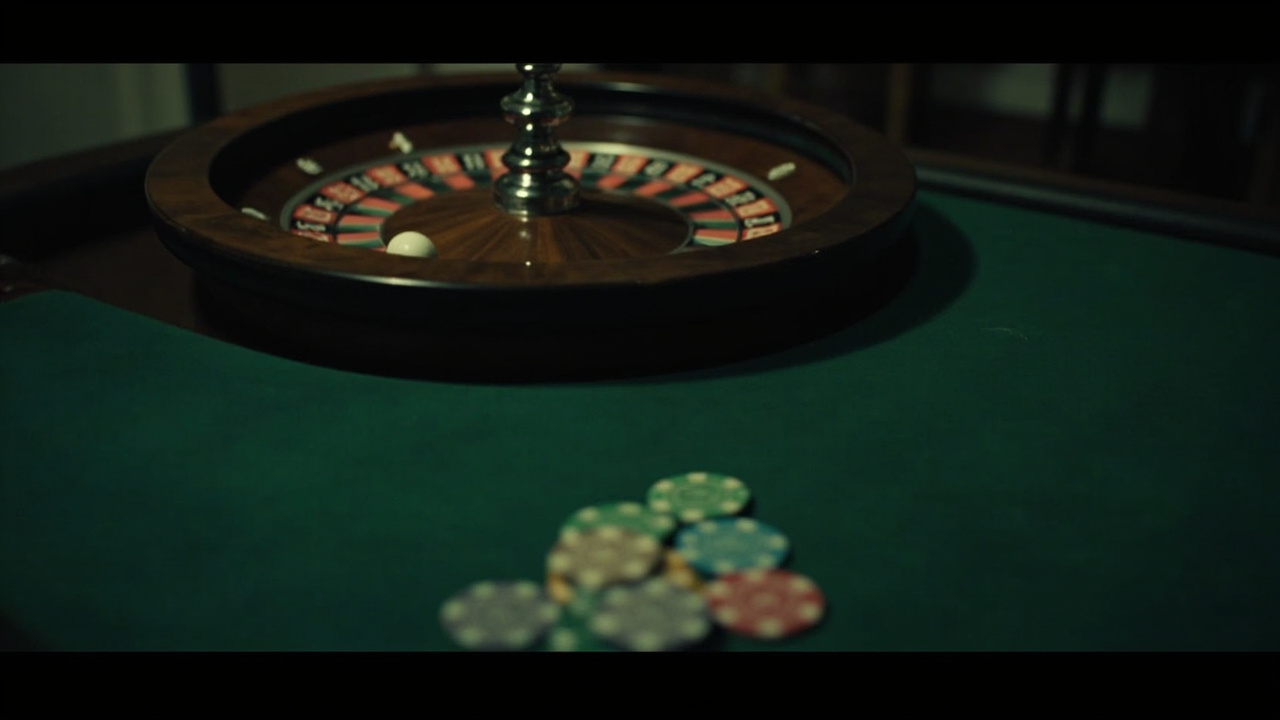
Where a casino with live reload bonus fits a player depends on how they actually play. Some people want a simple reload they can pick up and use without reading a small novel first; others want the detail laid out so they know exactly what they’re doing. A product that serves both needs to make the offer visible, the terms legible, and the process easy to follow on mobile.
For a regular player, the useful question isn’t whether the reload exists, but whether it fits the way they already play. If the reload lines up with the games they choose, the currency they use, and the pace they prefer, it becomes part of the session rather than a distraction. If it doesn’t, it’s just another offer sitting on the page. chicken road 2
How A Player Actually Uses A Reload
- Find the reload offer from the main navigation or the account area, and check that it is the current version rather than an old banner.
- Read the terms in plain language, focusing on wagering, eligible games, max bet, and expiry before doing anything else.
- Confirm the currency and any local details match what you expect, especially if you are playing from somewhere like Cairns and want the wording to feel familiar.
- Use the reload in a way that suits the session you actually want, rather than chasing the largest number on the page.
- Keep an eye on limits and timing, and contact support if anything about the offer isn’t clear before you commit.
A casino with live reload bonus works best when it behaves like a product a player can understand at a glance, use without friction, and trust to mean what it says. That’s the standard I’d apply from a managing director’s seat: clear interface, honest terms, and a reload that supports the session instead of complicating it.