

The noise around virtual reality gambling has grown louder, yet the actual experience still feels like early-stage engineering rather than polished leisure. For Australian adults weighing whether to spend an arvo on a headset instead of a phone screen, the question is less about novelty and more about whether the interface holds up when real money is on the line. A solid spinsy casino review can help separate the marketing gloss from the everyday usability that matters when you are actually logging in, depositing, and trying to navigate a lobby that feels like a physical room.
Navigation and Visual Identity in a Heads-Up Environment

The first thing you notice when you strap on a headset for an online casino games with vr session is the sheer amount of space the interface demands. Instead of scrolling a vertical menu, you are turning your head through a rendered lounge, reading paytables on virtual walls, and hunting for the right button cluster without knocking over a digital chair. The best implementations keep the visual identity restrained, using muted carpet textures and clear signage rather than flashing neon that competes with the gameplay itself. Navigation works best when the lobby structure mirrors something familiar, like a row of machines or a card table layout, so the player can orient themselves without relearning basic spatial logic every session. Language and currency localisation still matter enormously here, because a brilliantly rendered room is useless if the balance display defaults to a foreign denomination or the help prompts are buried under a layer of gimmicky animation. Search functions in these environments tend to be voice-driven or gesture-based, and when they work properly they cut through the visual clutter, but a poorly tuned search can leave you spinning in circles looking for a single table. The interface needs to respect the player’s time, especially when the session is meant to be a short break rather than a half-day commitment.
Physics, Mathematics, and the Reality Behind the Graphics
The visual wow factor is only half the story, because the underlying math infrastructure has to carry the same weight it does on a flat screen. A developer who understands slot mathematics will tell you that the graphics layer is decoration, while the random number generation and bet sizing logic are the actual product. That distinction matters when a VR environment starts suggesting bet sizes through visual cues or ambient prompts, because a player who understands the Kelly Criterion as a formula for bet sizing used by advantage gamblers and investors alike will recognise that the headset is not changing the arithmetic, only the presentation. The physics-driven side of these experiences can be genuinely playful, with reels that carry momentum or cards that deal with simulated weight, but those effects have to be carefully separated from the certified randomness that governs outcomes. When a studio treats the physics as a surface layer over serious math infrastructure, the result feels like a game rather than a lecture, and that balance is what keeps the experience from becoming a novelty that wears off after one session. The math has to remain auditable and the presentation has to remain honest, because a headset cannot turn a negative expectation into a favourable one.
Everyday Usability Across Sessions and Devices
A practical walkthrough of a typical session starts before the headset even turns on, because registration, verification, and payment setup still happen on a conventional device for most operators. The registration flow tends to be a standard identity check, and the payment menu usually supports Australian dollars alongside a couple of major currencies, with deposit limits that can be set before the first spin rather than after. Once you are in the VR environment, mobile compatibility becomes a different question, because some operators let you switch between a flat mobile view and the headset view without losing your balance or your place in a queue. Support in these setups is often a mix of in-world prompts and a conventional chat window, and the better implementations keep the two synchronised so you are not explaining your problem twice to two different interfaces. Loyalty mechanics in a VR space can feel more tangible when you are literally walking past a tier board or collecting a virtual token, but the points still need to convert into real bonus mechanics that make sense on a standard withdrawal request. The everyday usability test is simple: can you deposit, play a few rounds, check your balance, and leave without feeling like you fought the hardware the entire time. Okotsu
What Operators and Observers Say About the Space
The industry side of this conversation is still settling, and the people running live tables have a clear view of where the friction sits. Amelia Young, Head of Public Relations, Bondi Sports Data, has noted that the hardware is moving faster than the player education around it, which means operators are spending real effort on onboarding rather than just dropping a headset into the market and hoping for the best. Cooper Taylor, Head of Live Casino, Pacific Wager Analytics, points out that the dealers and live hosts in these environments have to manage the same game integrity standards as a flat-screen table, with the added complication that a VR player can look anywhere and any gesture can be misread as a cue. Evie Parker, Head of Live Casino, Pacific Wager Analytics, adds that the social layer in VR can be a genuine asset when it is done quietly, because a well-run virtual room can feel like a busy Saturday arvo without the noise and the pressure of a physical floor. Those observations line up with the broader sense that the technology is promising but still needs careful handling, especially around the moments where a player might confuse a visual flourish with a signal about the game itself. The operators who get this right are the ones treating the headset as a delivery method, not a promise. spinsy casino review
Local Context and the Canberra Connection
The local angle matters because a VR casino session is still played by real people in real rooms, and those rooms are not all the same. A player in Canberra might be using a headset in a quiet apartment after work, where the space is tight and the lighting is controlled, while someone in a larger coastal home might have the physical room to swing their arms without bumping into furniture. That physical context changes how the interface should behave, because a menu that works in a spacious living room can feel cramped and frustrating when you are sitting at a desk in a smaller space. The localisation side also extends to the way bonuses and limits are presented, because an Australian player expects to see dollars, clear terms, and a straightforward explanation of what a bonus actually covers before they commit. The cultural backdrop is familiar enough that casinos have featured in countless novels, from Fleming to Puzo, and the idea of a four-leaf clover symbolising rare good fortune is part of the same playful superstition that players bring into a VR room. None of that changes the math, but it does shape how a session feels, and a well-localised experience respects the player’s context instead of treating every market as a generic outlet.
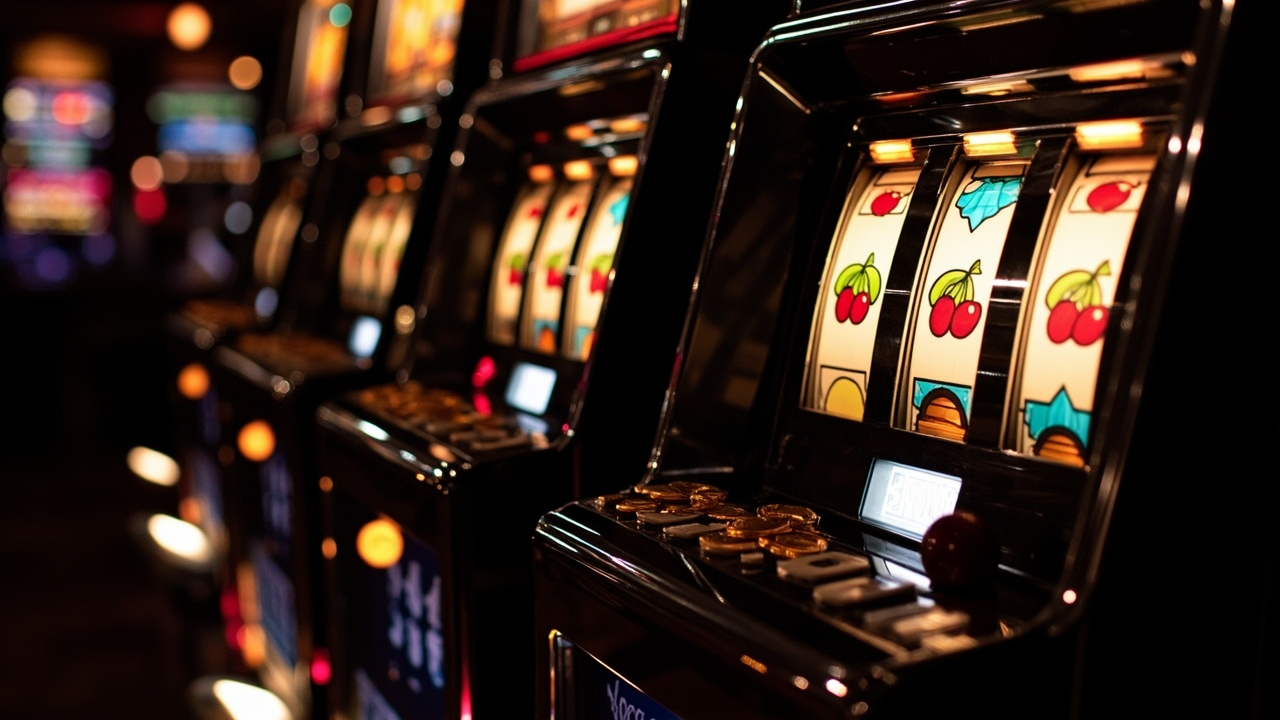
The practical takeaway is that online casino games with vr are still finding their footing, and the players who get the most out of them are the ones who treat the headset as a different way to access the same underlying product. A careful spinsy casino review can point you toward operators that have thought through the interface, the localisation, and the math instead of just selling the novelty. When you are weighing up a session, the question is less about whether the technology is impressive and more about whether it lets you play cleanly, understand your balance, and walk away without feeling like you spent more time fighting the room than enjoying the game.