

Understanding Asylum and International Protection Mechanisms
As the world faces numerous crises, the concepts of asylum and international protection have become increasingly relevant. These mechanisms provide safety and refuge to individuals fleeing persecution, conflict, and human rights violations. This article delves into the intricacies of Asylum & International Protection, exploring the legal frameworks, the rights of asylum seekers, and the challenges they face in securing refuge.
What is Asylum?
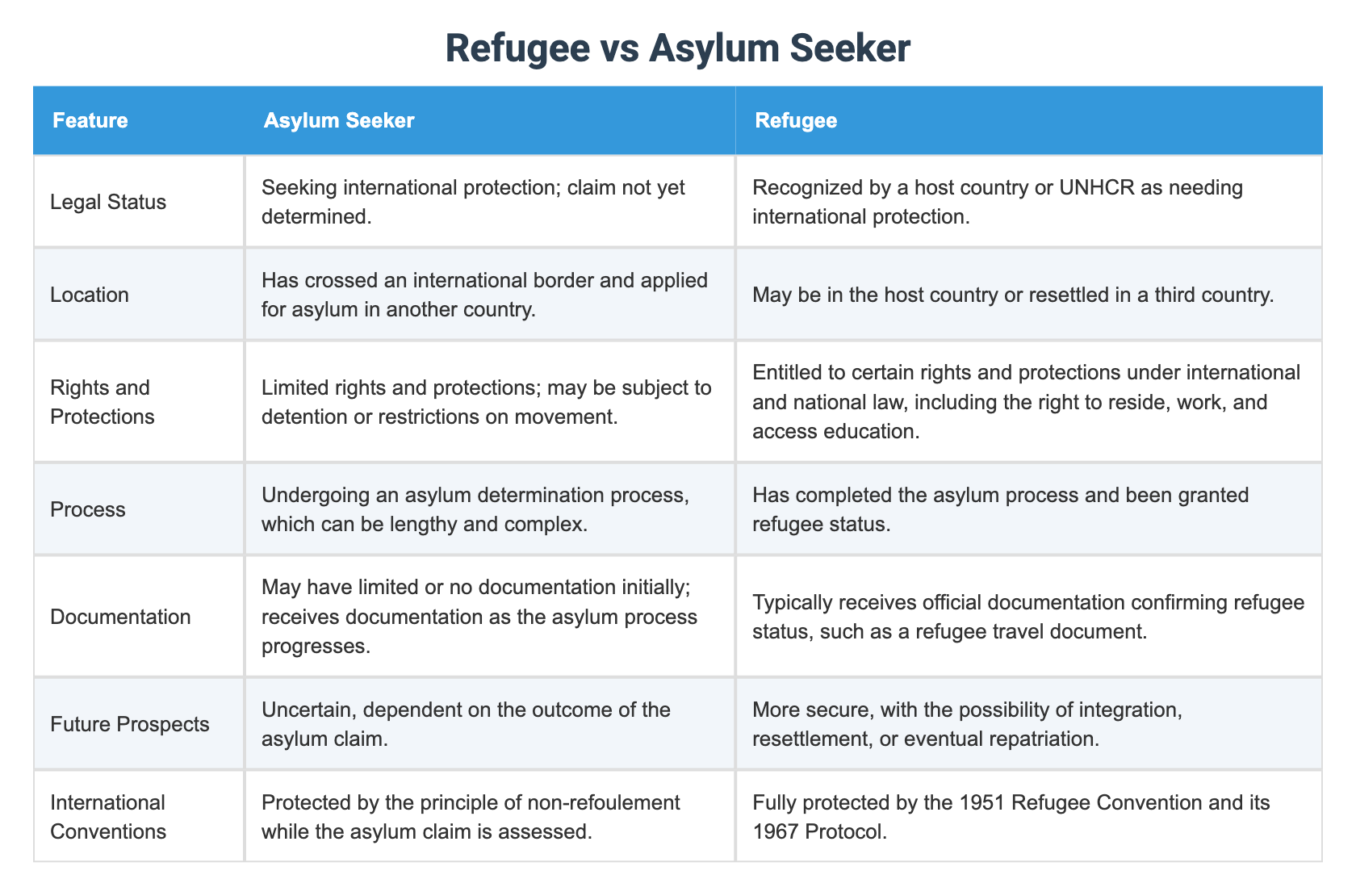
Asylum is a form of international protection given to individuals in a foreign country who have fled their home country due to a well-founded fear of persecution. Persecution can arise from various factors, including race, religion, nationality, political opinion, or membership in a particular social group. The right to seek asylum is enshrined in international law, including the 1951 Refugee Convention and its 1967 Protocol, which outline the obligations of countries to protect individuals fleeing persecution.
International Protection: Definitions and Scope
International protection extends beyond asylum to include other forms of humanitarian protection, such as subsidiary protection. This is granted to individuals who may not meet the strict criteria for refugee status but still face substantial risk of harm if returned to their home country. Such risks may include severe human rights violations, armed conflict, or other forms of violence. International protection aims to safeguard the dignity and rights of individuals who cannot safely return home.
The Asylum Process: Steps and Procedures
Securing asylum typically involves a multi-step process that requires careful navigation through legal frameworks. While procedures may vary by country, the following steps are generally involved:
- Application Submission: Asylum seekers must submit an application to the relevant authorities, often within a specified time frame after arriving in the host country.
- Initial Interview: Applicants usually undergo an initial interview to assess their credibility and the merits of their case.
- Decision Making: Authorities evaluate the application based on evidence, including personal testimonies and country conditions. The decision may result in either the granting of asylum or a denial.
- Appeal Process: In cases of denial, asylum seekers often have the right to appeal the decision, which may involve further hearings and evidence submission.
Understanding the Rights of Asylum Seekers
Asylum seekers are entitled to various rights during the application process, including:
- The right to remain in the host country while their claim is being processed.
- The right to legal assistance and representation.
- The right to access basic services, such as healthcare and education, depending on the host country’s laws.
- Protection against refoulement, or forced return to a country where they may face harm.
It is crucial for asylum seekers to be aware of their rights and to seek legal counsel to ensure their claims are effectively represented.
Challenges Faced by Asylum Seekers
Despite legal protections, asylum seekers often encounter significant obstacles when seeking refuge. Common challenges include:
- Legal Complexities: The asylum process can be intricate and overwhelming, often necessitating legal expertise that many applicants may lack.
- Social Stigma: Asylum seekers may face discrimination and xenophobia in host communities, complicating their integration.
- Access to Resources: Limited access to legal aid, housing, and employment opportunities can further hinder their prospects for a secure future.
- Geopolitical Issues: Shifts in political landscapes can affect asylum policies and the reception of refugees, making it imperative for advocates to stay informed and engaged.
The Role of Legal Assistance
Legal assistance is vital for asylum seekers navigating the complexities of the asylum process. Skilled legal professionals can help applicants understand their rights, prepare necessary documentation, and represent them during hearings. Organizations that specialize in refugee law provide essential resources, advocacy, and support to ensure that asylum seekers receive fair treatment and access to protection.
Conclusion
Asylum and international protection are critical components of global human rights frameworks, providing essential safety for those fleeing danger and persecution. Understanding the legal processes involved, the rights of asylum seekers, and the challenges they face is crucial for fostering a compassionate and effective response to crises in our world. By supporting legal initiatives and advocating for humane policies, we can contribute to a more just and welcoming environment for those seeking refuge.
Call to Action
Every individual deserves the right to live free from persecution and fear. Consider supporting organizations that provide legal aid to asylum seekers or
becoming informed advocates for policies that promote inclusion and protection for those in need. Together, we can make a difference in the lives of individuals seeking safety and dignity.