


Understanding Preventive Requests: Safeguarding Your Rights
In today’s world, personal and legal safety is increasingly becoming a priority for individuals and organizations alike. One of the methods to preemptively address potential legal issues is through the use of preventive requests. These requests serve as a shield, providing an opportunity to safeguard one’s rights and interests before they are jeopardized. In specific situations, such as when individuals face the possibility of an Preventive Request Interpol Red Notice Removal, understanding the role and significance of preventive requests becomes crucial.
What is a Preventive Request?
A preventive request can be described as a formal request made to relevant authorities or organizations to take specific actions that avert potential harm or legal consequences. This legal mechanism is often utilized in various fields, including immigration, international law, and business compliance. By proactively seeking to establish terms or seek clarification on certain matters, individuals can mitigate risks associated with unforeseen legal challenges.
The Importance of Preventive Requests
Preventive requests can play a vital role in enhancing safety, security, and compliance. Here are several reasons why these requests are paramount in various contexts:
- Risk Mitigation: By addressing potential issues before they escalate into serious problems, individuals and organizations can prevent costly disputes or legal battles.
- Clarification of Rights: A preventive request allows individuals to clarify their rights and obligations in specific situations, ensuring that they are well-informed and prepared.
- Building Trust: Demonstrating a proactive approach to addressing potential concerns can build trust between parties, which is essential in personal and professional relationships.
- Compliance: In many instances, preventive requests can help organizations ensure compliance with local and international laws, thereby avoiding penalties or legal repercussions.
Types of Preventive Requests
There are several types of preventive requests, each tailored to address distinct situations. Below are a few notable examples:
1. Legal Preventive Requests
Individuals may file requests with courts or legal authorities to protect themselves from impending legal actions. For instance, someone who fears that a lawsuit might arise due to a business dispute can file a request for a declaratory judgment to clarify their position and legal standing.
2. Immigration Preventive Requests
In the realm of immigration, individuals may submit preventive requests to authorities to safeguard their status or avoid deportation. These requests may involve seeking advice or clarification regarding visa conditions, residency rights, or potential bans that could affect an individual’s status.
3. Corporate Preventive Requests
Businesses often utilize preventive requests to ensure regulatory compliance and avoid penalties. This may involve seeking guidance from regulatory bodies to confirm that their practices align with current laws and regulations.
How to File a Preventive Request
Filings for preventive requests require careful attention to detail and adherence to legal protocols. Here are some essential steps to consider:
- Identify the Need: Determine the specific issue or risk that necessitates a preventive request.
- Gather Documentation: Collect relevant documents, evidence, and any pertinent information that will support your request.
- Consult Legal Experts: Engaging with legal professionals can provide valuable insights into how to construct and file your request effectively.
- Submit the Request: Follow the established procedures for submitting your request to the appropriate authority, ensuring that you comply with all requirements.
- Follow Up: Keep track of your request’s status and be prepared to respond to any inquiries or additional requirements from the authorities.
Challenges in Preventive Requests
Despite their benefits, there can be challenges associated with filing preventive requests:
- Complex Legal Framework: Navigating the legal requirements and procedures for filing a preventive request can be complex, especially for individuals without legal training.
- Time-Consuming: The process of preparing and submitting a request may take longer than anticipated, leading to potential delays in resolving underlying issues.
- Uncertain Outcomes: There is no guarantee that a preventive request will result in the desired outcome. Authorities may still initiate actions that could affect the requester.
Case Studies of Preventive Requests
To illustrate the effectiveness of preventive requests, let’s explore a few case studies:
Case Study 1: Avoiding Deportation
An individual facing potential deportation based on incorrect information filed a preventive request with the immigration authority, clarifying their legal status. The request led to the review of their case, resulting in the correction of official records and the individual’s right to remain in the country.
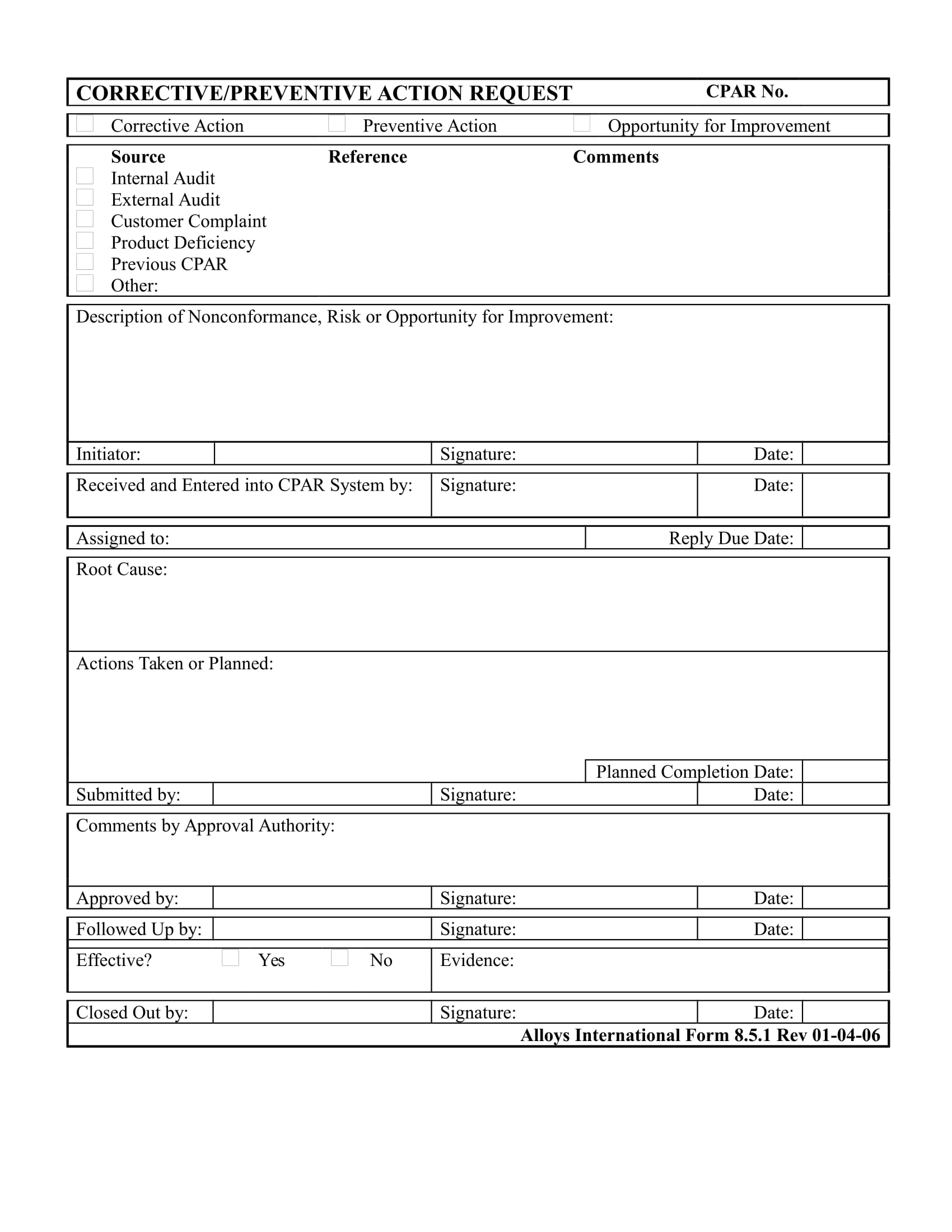
Case Study 2: Corporate Compliance
A multinational corporation, anticipating changes in international trade policies, proactively sought clarification from regulatory bodies. Their preventive request provided the necessary guidance, enabling the corporation to adjust its operations in compliance with upcoming regulations, thereby avoiding fines and reputational damage.
Conclusion
Preventive requests play a crucial role in protecting rights and interests across various legal contexts. By understanding the importance of these requests and effectively filing them when necessary, individuals and organizations can safeguard themselves against potential harms and legal challenges. The complexities of the legal landscape underscore the need for proactive measures, making preventive requests a valuable tool in today’s society. As laws continue to evolve, staying informed and prepared is key to navigating the challenges that lie ahead.